Warehousing is storing inventory. Fulfillment is turning that inventory into shipped orders: receiving, storing, picking, packing, and handing parcels to carriers. Every fulfillment center is a warehouse, but not every warehouse fulfills orders. For an ecommerce brand, the difference decides what you pay for, how fast orders ship, and whether you should lease your own space or use a third-party warehouse.
This guide compares warehouses, fulfillment centers, distribution centers, and third-party warehouses, explains public vs contract warehousing, and works through the 2026 cost of leasing space against using a 3PL.
Warehousing vs fulfillment at a glance
Warehouse | Fulfillment center | Distribution center | Third-party warehouse (3PL) | |
|---|---|---|---|---|
Main job | Store goods safely | Ship individual customer orders | Move stock to stores and wholesale customers | Store and ship for many brands |
What moves | Pallets and cases | Individual items ("eaches") | Pallets and cases | Pallets, cases, and eaches |
How long stock stays | Weeks to months | Days to weeks | Days | Depends on the client |
Who receives the shipment | Usually your next location | Consumers | Retailers and businesses | Consumers, retailers, and marketplaces |
How you pay | Lease per square foot | Built into your own costs | Built into your own costs | Per pallet, per order, per item |
Commitment | Multi-year lease | Your own operation | Your own operation | Monthly or program-based |
The U.S. government's industry definition captures the overlap: warehousing businesses store goods they don't own, and many also offer logistics services such as labeling, inventory management, packing, and order fulfillment.
What is warehousing?
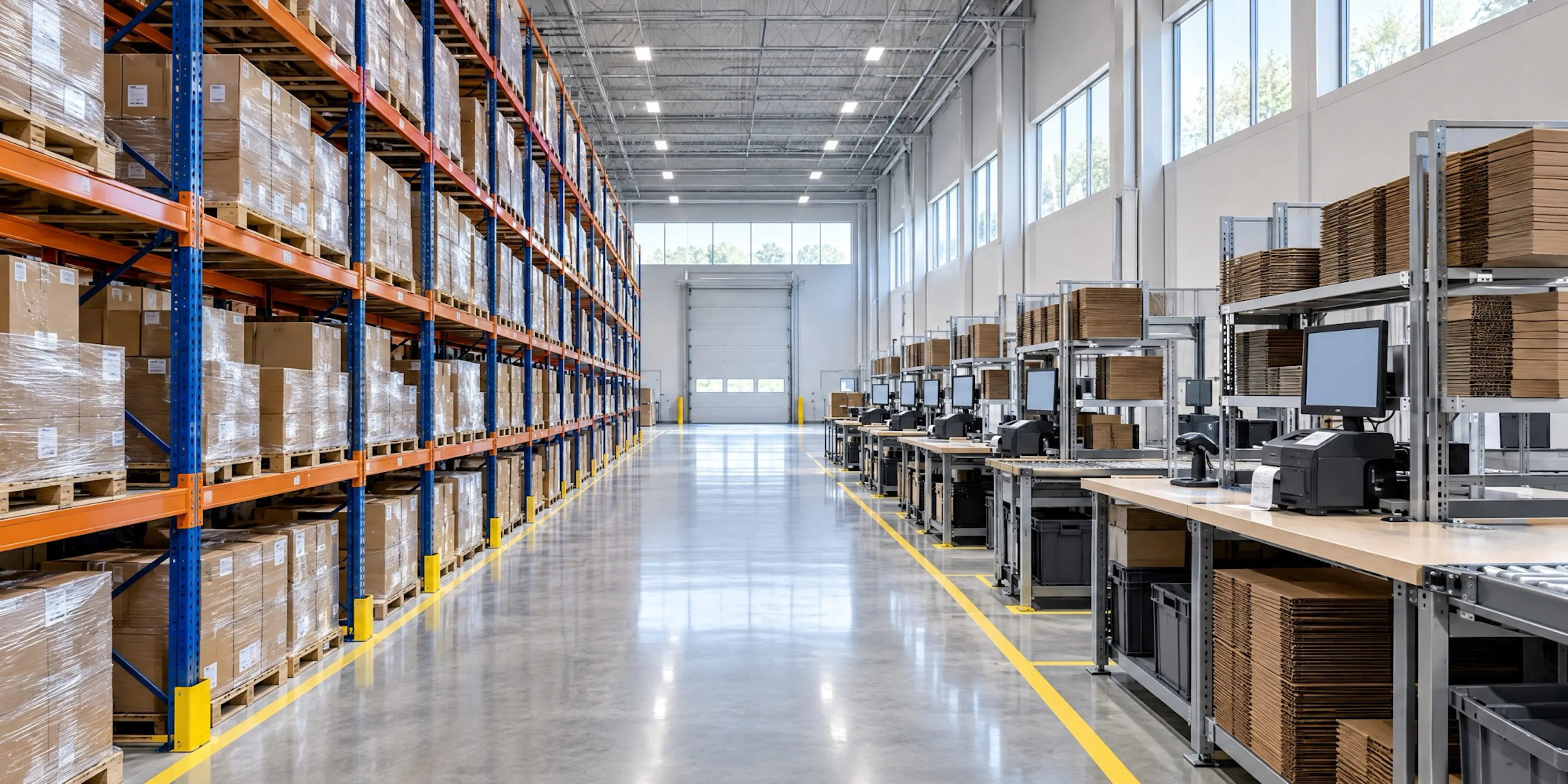
Warehousing is the storage part of the supply chain: receiving inventory, putting it in a known location, keeping it safe and counted, and releasing it when needed. A warehouse optimizes for space and density. Stock arrives on pallets, sits in racking, and leaves in bulk.
Pure warehousing makes sense when you need to hold stock for a long time, such as seasonal inventory, raw materials, or overflow, and something else handles orders.
What is a fulfillment center?
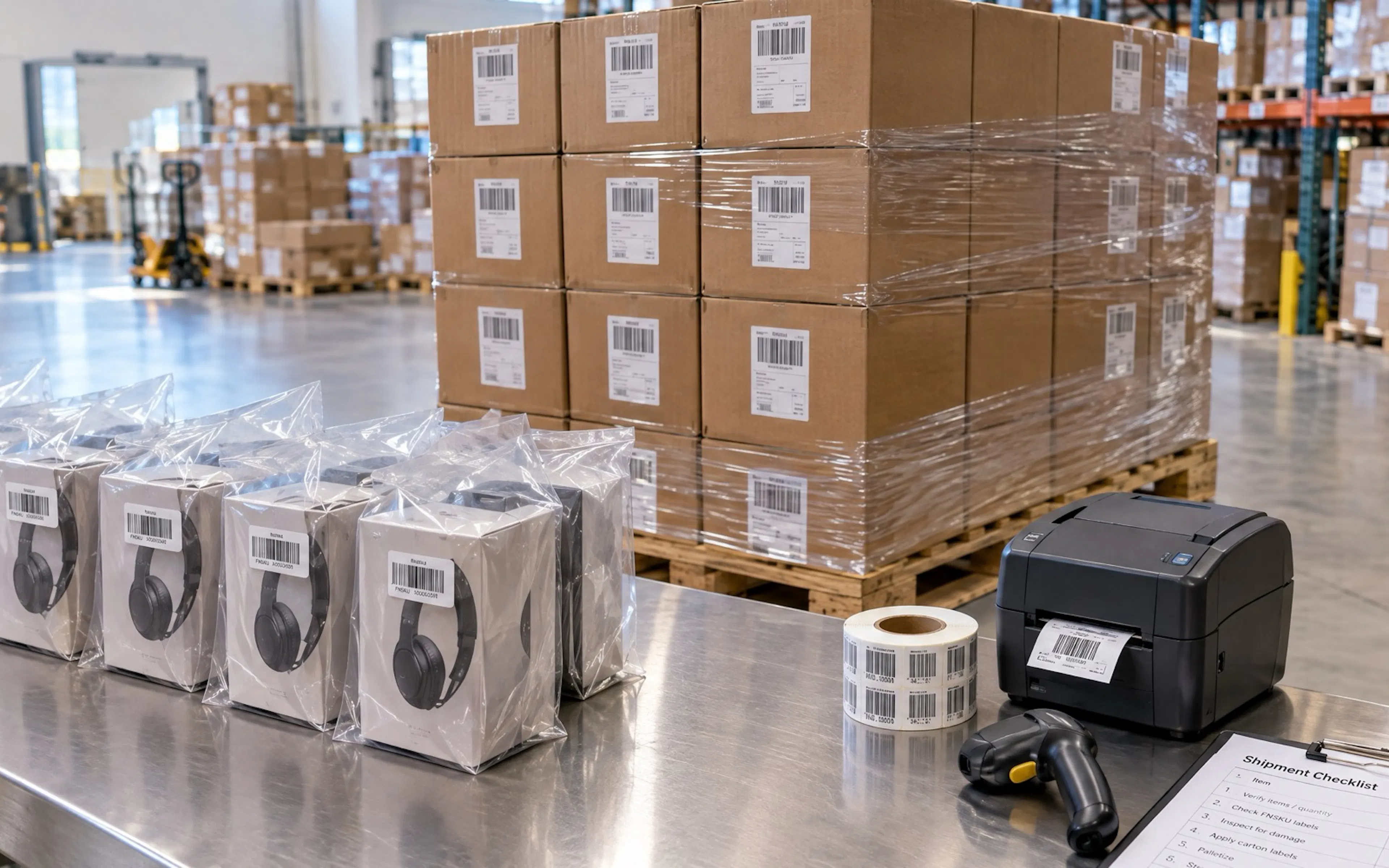
A fulfillment center is a warehouse built for speed and accuracy at the order level. Inventory is stored by SKU and location so that individual items can be picked, packed, and shipped quickly, usually the same or next business day. A fulfillment center also handles the work around orders:
- Receiving and counting inbound shipments.
- Pick and pack for single- and multi-item orders. See pick and pack.
- Kitting and bundles, such as gift sets and subscription boxes. See kitting.
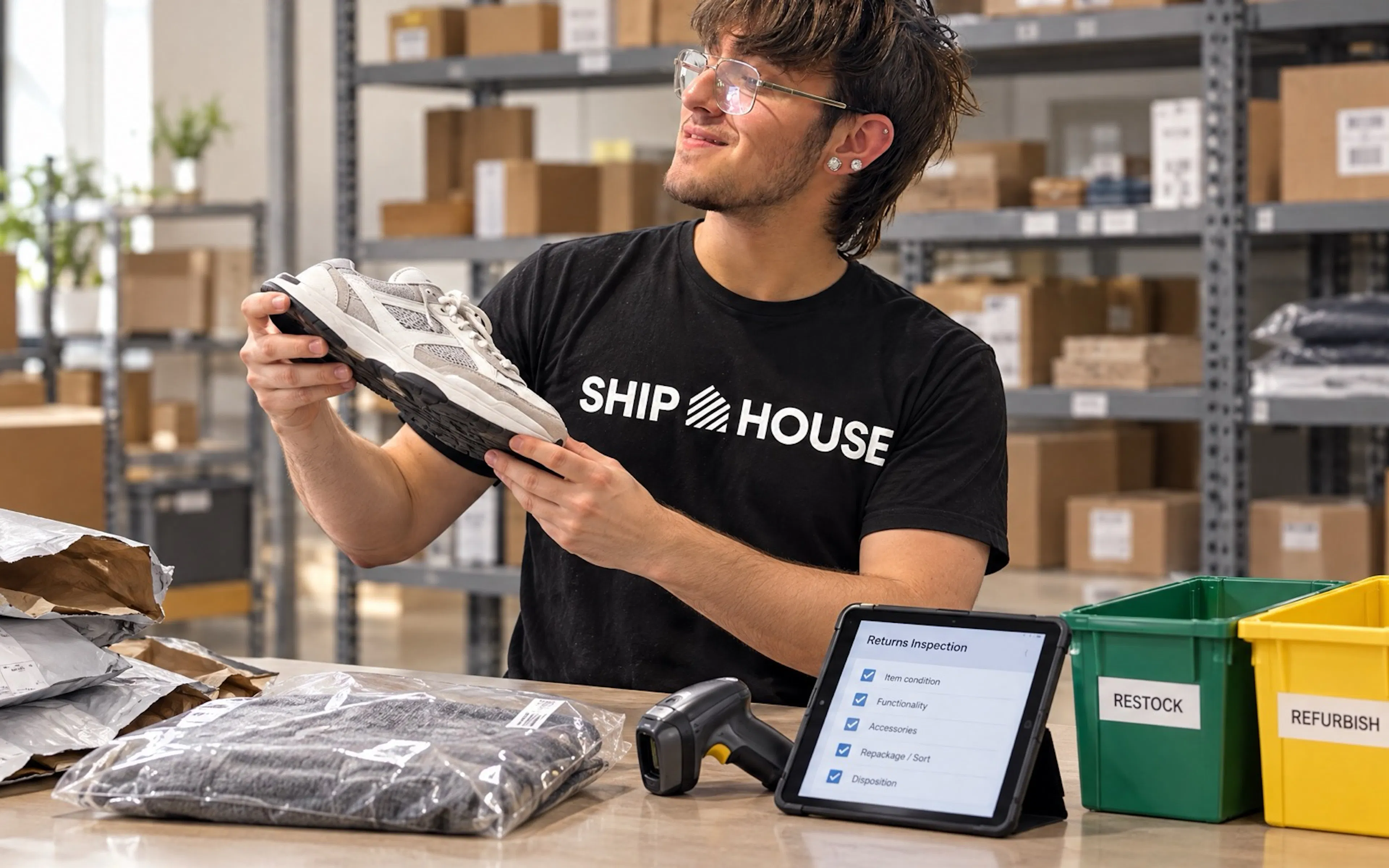
- Returns inspection and restocking. See our reverse logistics guide.
- Integrations that pull orders from Shopify, Amazon, Walmart, and other channels and send tracking back.
Fulfillment center vs distribution center
The two terms are often used interchangeably, but they serve different customers:
- A distribution center moves inventory in bulk to stores, wholesalers, or other warehouses. Orders are large, and shipments go out by pallet or truckload.
- A fulfillment center ships individual orders to consumers. Orders are small, and parcels go out by UPS, FedEx, USPS, or regional carriers.
Many 3PLs do both from the same building. ShipHouse ships consumer orders and also prepares B2B and wholesale shipments for retailers and marketplaces such as Amazon FBA.
What is a third-party warehouse?
A third-party warehouse is a warehouse operated by a logistics company that stores and ships inventory for other businesses. You own the inventory; the third-party logistics provider (3PL) provides the space, labor, systems, and carrier relationships. Most ecommerce brands use a 3PL as their first warehouse because it turns fixed costs (rent, staff, equipment) into variable costs that grow with orders. See What is a 3PL?
Public vs contract vs private warehousing
These terms describe how warehouse space is shared and paid for. In common industry usage:
Public warehousing | Contract (dedicated) warehousing | Private warehousing | |
|---|---|---|---|
Space | Shared with other clients | Dedicated to one client | Owned or leased by you |
Terms | Monthly or flexible | Multi-year contract | Long-term lease or ownership |
Pricing | Pay for what you use | Fixed and variable fees | All costs are yours |
Best for | Growing brands, variable volume | Large, stable programs | Very high, predictable volume |
Most ecommerce 3PLs, ShipHouse included, work on the public model: shared space, usage-based pricing, and no need to commit to a building.
How 3PL warehousing is priced
3PLs price warehousing and fulfillment in a few common ways:
- Storage: per pallet, per cubic foot, per bin, or per shelf per month.
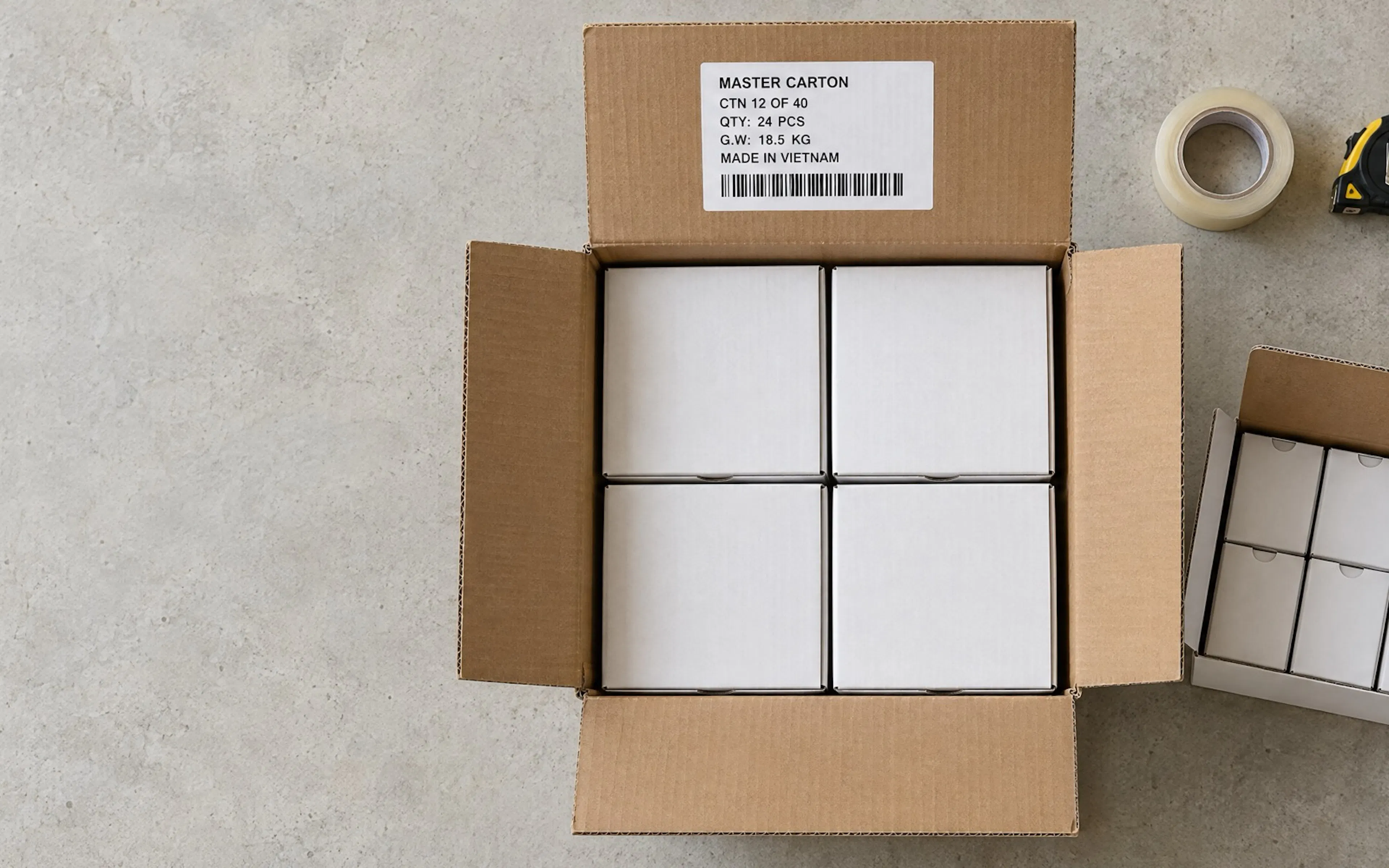
- Receiving: per pallet, per carton, per hour of labor, or per container.
- Pick and pack: per order plus per additional item.
- Other services: kitting, prep, returns, and special projects, priced per unit or per hour.
- Account or program fees: some 3PLs charge a monthly minimum or management fee.
ShipHouse publishes its starter rates on the pricing page: pallet storage at $40 per month, pick and pack from $2.50 per order plus $0.50 per additional item, and standard receiving free within a 4-labor-hour allowance per shipment.
Leasing your own warehouse vs using a 3PL
Commercial warehouse space is still expensive. CBRE reported an average U.S. industrial net asking rent of $11.16 per square foot per year in Q3 2026, up 3.6% from a year earlier. Cushman & Wakefield reported asking rents up about 4% year over year, with demand strengthening in port markets including New Jersey.
Here's a simple monthly comparison for a brand with 20 pallets of inventory and 1,000 orders a month, averaging 1.5 items per order:
Lease your own space | Use a 3PL (ShipHouse starter rates) | |
|---|---|---|
Space | ~5,000 sq ft × $11.16/yr ÷ 12 = $4,650 base rent | 20 pallets × $40 = $800 storage |
Order labor | Your own staff (wages, payroll taxes, training) | 1,000 orders × $2.50 + 500 extra items × $0.50 = $2,750 |
Other costs | Taxes, insurance, maintenance, utilities, racking, WMS software, equipment | Account management fee waived at 500+ orders a month |
Monthly total | $4,650 + staff + operating costs | About $3,550 before shipping and packaging |
The lease example uses a national average rent across all building sizes; small spaces near major ports often cost more. The 5,000 square feet is an assumption, so adjust it to your inventory. Even so, the base rent alone is higher than the 3PL's full storage and fulfillment cost, before you hire a single person.
A lease starts to make sense when volume is high and steady enough to keep your own team and space fully used, typically with a multi-year commitment you can confidently fill.
When to move to a third-party warehouse
A 3PL is usually the right next step when:
- Packing is taking over the business. Founders and staff spend more time shipping than selling.
- You've run out of room. Inventory is spilling out of a garage, office, or storage unit.
- Orders are growing unevenly. Seasonal peaks would leave a leased space empty for part of the year.
- You sell on several channels. Shopify, Amazon, Walmart, and wholesale orders need to ship from one inventory pool. See inventory management.
- Shipping times are too long. A warehouse closer to customers cuts transit days and postage.
Why location matters
Where your warehouse sits decides how fast and how cheaply orders arrive. ShipHouse operates from Lincoln Park, New Jersey and Bear, Delaware, close to the Port of New York and New Jersey and within ground-shipping reach of the most populated part of the U.S. See East Coast fulfillment and our locations.
Frequently asked questions
What is the difference between warehousing and fulfillment?
Warehousing is storing inventory. Fulfillment includes storage but adds the work of receiving, picking, packing, and shipping individual customer orders.
Is a fulfillment center a warehouse?
Yes. A fulfillment center is a type of warehouse designed to ship individual orders quickly, rather than to store goods long term.
What is a third-party warehouse?
A warehouse run by a logistics company that stores and ships inventory for other businesses. You own the inventory and pay for the space and services you use.
What is the difference between public and contract warehousing?
Public warehousing shares space among many clients on flexible terms, and you pay for what you use. Contract warehousing dedicates space, labor, and systems to one client, usually under a multi-year contract.
What is the difference between a fulfillment center and a distribution center?
A fulfillment center ships individual orders to consumers. A distribution center moves inventory in bulk to stores, wholesalers, or other warehouses.
How is 3PL warehousing priced?
Usually by storage (per pallet, cubic foot, or bin each month), receiving, and pick and pack per order and per item. Some 3PLs add monthly minimums or management fees.
Is it cheaper to lease a warehouse or use a 3PL?
For most growing brands, a 3PL is cheaper because you pay only for the space and labor you use. In our example, base rent for 5,000 square feet at the 2026 national average was higher than a 3PL's full storage and fulfillment cost for 1,000 orders a month.
Can one 3PL handle both B2B and ecommerce orders?
Yes. Many 3PLs, including ShipHouse, ship consumer orders and prepare wholesale and marketplace shipments from the same inventory.
Does a 3PL handle inbound freight?
Many coordinate it. ShipHouse coordinates inbound freight arrivals and receiving appointments, while you or your forwarder contract the carrier and handle customs.
The bottom line
Warehousing stores your inventory; fulfillment turns it into delivered orders. For most ecommerce brands, a third-party warehouse provides both without a lease, staff, or equipment, at a cost that grows with your orders instead of ahead of them.
If you're weighing your own space against a 3PL, send us your inventory and order profile and we'll scope it.
Market data comes from CBRE's Q3 2026 U.S. Industrial & Logistics Figures and Cushman & Wakefield's Q3 2026 U.S. Industrial MarketBeat, current as of November 2026. ShipHouse rates are published starter rates; final pricing depends on your products and volume.