
5 Strategic Ways to Transform Your E-commerce Returns into a Competitive Advantage
Discover five proven strategies to optimize your e-commerce returns process, boost customer satisfaction, and turn logistics challenges into lasting advantages.

Did you know that e-commerce returns hit $890 billion in 2024? That's nearly 17% of all retail sales—and for online retailers, the numbers are even more daunting, with average return rates climbing to 24.5%.
But here's the thing: while most businesses see returns as a necessary evil, smart operators are turning them into powerful tools for growth. Today, we'll show you exactly how to transform your returns process from a profit-killer into a competitive weapon—and why your warehouse location might be the secret sauce you've been missing.
1. Calculate the Real Cost of Your Returns (It's More Than You Think)
When calculating return costs, most e-commerce businesses only look at the refund amount. Big mistake.
The average return actually costs $21-46 to process—that's 20-65% of your item's original value. Think about it: for a $50 product, you're spending nearly $30 just to get it back on your shelf.
Here's what really adds up:
- Customer service time handling "where's my refund?" calls
- Inbound shipping costs
- Warehouse receiving and inspection labor
- Restocking or disposal decisions
- Lost opportunity cost while products sit in limbo
And don't forget about fraud. Wardrobing (buying items to use once and return) jumped 38% last year, with 69% of shoppers admitting to this practice. Gen Z leads the pack—51% regularly practice "bracketing," ordering multiple sizes knowing they'll return most.
Pro tip from ShipHouse: Our Delaware and New Jersey warehouses reach 70% of the U.S. population within 1-3 day ground shipping. This means returns come back faster and cheaper—saving you $5-15 per package compared to shipping from the West Coast.
2. Make Returns So Easy, Customers Come Back for More
Here's a stat that should wake you up: 92% of consumers will buy again if the returns process is easy, but 67% will permanently abandon you after one bad return experience.
The solution? Give customers options:
Self-service portals are non-negotiable. 81% of customers prefer handling returns themselves—let them generate labels, track status, and get instant updates without calling support.
Multiple return channels increase satisfaction. Consider drop-off locations for local customers. When Amazon partnered with Kohl's for returns, it created a win-win: customers got convenience, and returns consolidated into bulk shipments that cut per-unit costs.
Transparent communication eliminates anxiety. Send automated notifications at every step: return received, inspection complete, refund processed. The best retailers complete this entire cycle in 24 hours.
At ShipHouse, our strategic Mid-Atlantic location means 38 million consumers live within a 2-hour drive of our facilities. Returns from NYC, Boston, and Philadelphia arrive next day, enabling rapid processing that keeps customers happy.
3. Use Smart Technology to Slash Processing Time by 50%
Modern returns management systems are game-changers. Platforms like Loop Returns and ReverseLogix automate the heavy lifting, reducing processing time by 40-50%.
Here's what the best systems do:
- Auto-approve low-risk returns instantly
- Flag suspicious patterns for review (like multiple returns from one address)
- Generate multi-carrier shipping labels automatically
- Integrate with your existing warehouse and ecommerce systems
But the real magic? Data analytics.
Track return rates by product, identify patterns, and fix root causes. One client discovered their blue shirts photographed purple online—fixing the images cut returns by 12%. Another found consistent sizing complaints on one product line, saving $250,000 annually by addressing the issue with their vendor.
4. Design Your Warehouse Operations for Speed
The golden rule of returns? Process within 24 hours. Items sitting in returns queues generate zero revenue while eating up warehouse space.
Here's how top performers set up their operations:
Dedicated returns zones near receiving docks prevent congestion and speed processing. No more mixing returns with incoming inventory.
Standardized inspection procedures ensure consistency:
- Condition assessment (new, like-new, used, damaged)
- Completeness check (all parts included?)
- Functionality testing for electronics
- Photo documentation for high-value items
Smart routing based on condition:
- Restockable → Back to inventory immediately
- Repairable → Refurbishment zone
- Unsellable → Liquidation or recycling partners
ShipHouse bonus: Delaware's 0% sales tax eliminates complex calculations and compliance headaches, streamlining your entire operation. That's an 8.5% advantage over most states—savings that compound across inventory, equipment, and operations.
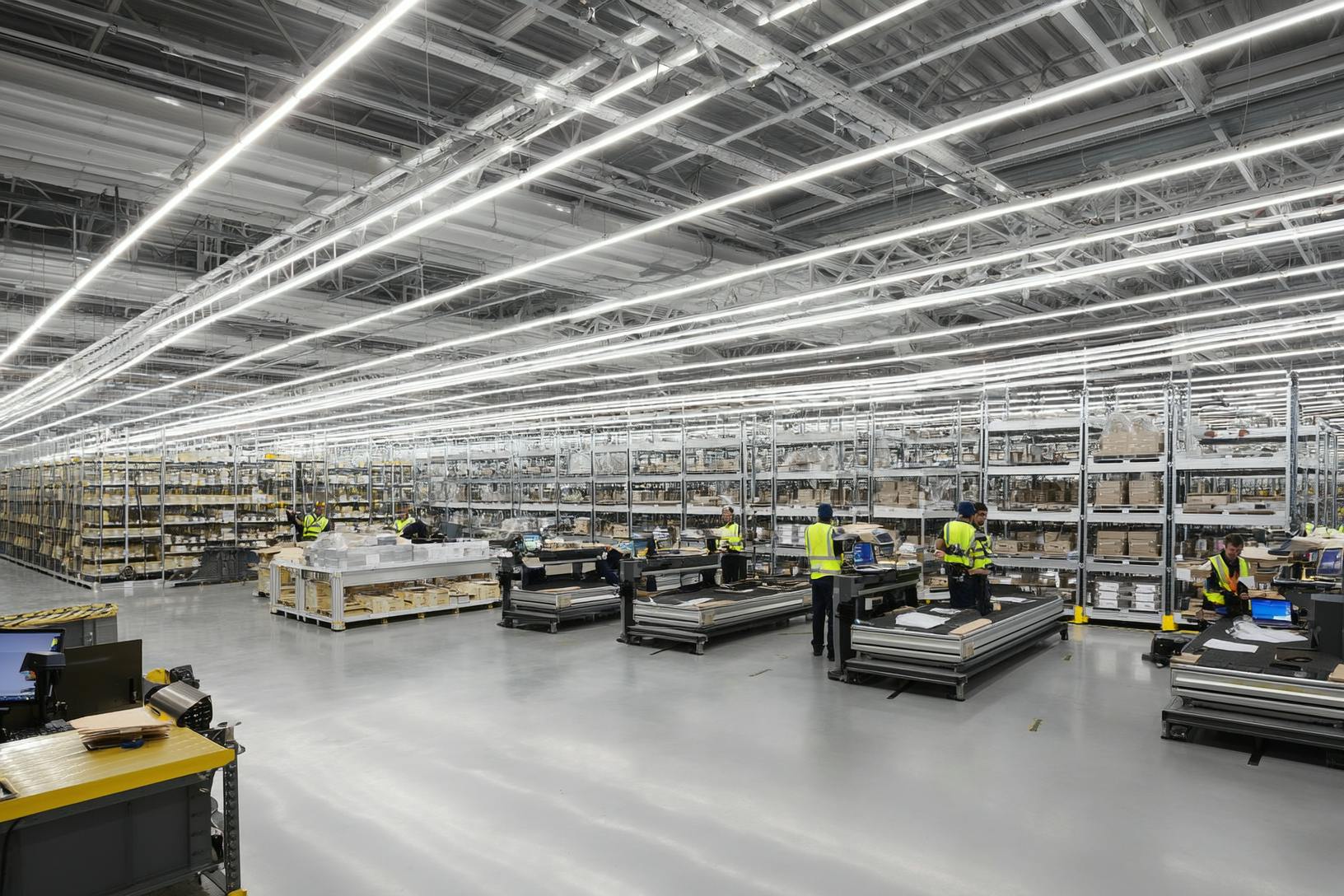
5. Turn Your Location into a Strategic Advantage
Here's something most e-commerce operators don't realize: your warehouse location can cut return costs by 15-25%.
From ShipHouse's Delaware and New Jersey facilities, we leverage:
- The Port of NY/NJ: Processing 7.8 million containers annually, enabling same-day container-to-warehouse transfers
- Major carrier hubs: FedEx and UPS regional centers within 20 minutes, meaning faster pickups and better rates
- The I-95 corridor: Moving $3.95 trillion in GDP annually, connecting the entire Eastern seaboard
This isn't just about shipping costs. When you're close to population centers, you can offer:
- Same-day return processing for local customers
- Ground shipping instead of expensive air freight
- Consolidated bulk returns that reduce per-unit costs
- Access to specialized refurbishment and liquidation partners
Making It Work for Your Business
Ready to transform your returns process? Here's your action plan:
- Audit your current costs: Calculate the true expense of each return, including all hidden costs
- Implement technology: Choose a returns management system that integrates with your existing stack
- Optimize your policies: Consider extending return windows to 60-90 days (counterintuitively, this often reduces returns)
- Set up proper workflows: Create dedicated spaces and standardized procedures
- Leverage geography: Consider how strategic warehouse placement could cut your costs
The ShipHouse Advantage
At ShipHouse, we've built our entire operation around helping ecommerce businesses master returns management. Our Delaware and New Jersey warehouses offer:
- Strategic positioning reaching 70% of U.S. consumers in 1-3 days
- Zero sales tax advantages in Delaware
- Proximity to major ports and carrier hubs
- Experienced teams who process returns in 24 hours or less
- Advanced technology integrations for seamless operations
The Bottom Line
Returns aren't going away—they've doubled since 2019 and continue climbing. But that doesn't mean they have to kill your profits. With the right strategy, technology, and location advantages, you can turn returns into a differentiator that builds customer loyalty and drives growth.
The question isn't whether to optimize your returns process—it's how quickly you can implement changes before your competition does.
Ready to transform your returns management? Contact ShipHouse today to learn how our strategic Mid-Atlantic locations and expert fulfillment services can cut your return costs while delighting your customers.
Visit ShipHouse.com or email us at info@shiphouse.com to get started.
About ShipHouse: We're a leading package forwarding and fulfillment company with state-of-the-art warehouses in Delaware and New Jersey. Our strategic location, advanced technology, and experienced team help ecommerce businesses reduce costs, accelerate shipping, and deliver exceptional customer experiences. Learn more at ShipHouse.com